Bedding · Materials Guide
Coyuchi Organic Linen Coverlets: Breathable Texture for Layered Beds
A good coverlet is the bed’s finishing touch: enough substance to make a room feel inviting, without turning a comfortable sleep setup into a heavy pile of bedding. Organic linen brings its own particular mix of qualities to that role. It has a tactile surface, a relaxed drape, and a breathable feel that can make it useful across changing seasons. The Coyuchi Helena Organic Linen Coverlet offers a considered example, pairing organic linen with a simple blanket-stitched hem.
Here’s what to know about linen’s character, how a coverlet fits into bedding layers, what to look for when choosing one, and how to care for the fabric over time.
What makes a linen coverlet different?
A coverlet is a lightweight-to-substantial bed layer that can sit over sheets, a blanket, or a duvet. It is often used to give a bed a more finished appearance, but it can also add practical warmth. Its precise role depends on its weight, the room’s temperature, and how you like to sleep. Some people use one as their main top layer in mild weather; others keep it folded at the foot of the bed for an extra layer when evenings cool down.
Linen gives a coverlet a distinct feel. The fiber comes from the flax plant, and linen fabric is known for its textured surface and its ability to feel airy rather than dense. That does not mean every linen textile feels identical: yarn, weave, finishing, and weight all influence the final result. A tightly made, weightier coverlet can feel substantial in the hand while still allowing more air movement than a thick, tightly packed layer.
That contrast is part of linen’s appeal. The fabric can look casual and beautifully unstudied, yet a well-made coverlet still has enough presence to anchor a bed. It adds dimension without requiring a dramatic print or a complicated arrangement of pillows. In a room where the larger pieces are simple, texture can do the quiet work of making the space feel considered.
Breathable bedding, with a little more substance
Breathability is often discussed as if it means “thin,” but the two ideas are not interchangeable. A textile’s weight tells you something about how much material is there; its construction and fiber characteristics help explain how it feels in use. Linen can provide a more substantial drape than a very light sheet, while retaining an open, breathable quality that many sleepers appreciate.
This balance makes a linen coverlet versatile. On a warm night, it may be enough on its own over a sheet. In cooler weather, it can sit above a blanket or beneath a duvet, adding a tactile middle layer that is easy to fold back. A coverlet is not a substitute for choosing bedding that suits your climate or comfort needs, but it gives you another way to adjust the bed without changing every layer at once.
Individual preferences matter. Some sleepers like the reassuring feel of a heavier top layer; others want bedding that feels light and easy to move under. A linen coverlet’s drape may feel comforting to one person and too weighty to another, depending on its construction and the bedding beneath it. If possible, pay attention to listed material and construction details, and consider how you normally dress your bed before choosing.
Temperature is personal, too. Room conditions, sleepwear, mattress materials, and the rest of the bedding all play a part in whether a bed feels cool or warm. Linen can contribute a breathable layer, but it cannot guarantee a particular sleeping temperature. Think of it as one piece in a bedding system rather than a stand-alone solution.
The appeal of a relaxed, tactile surface
Part of linen’s charm is that it does not have to look perfectly smooth to feel polished. Its natural texture gives a bed subtle variation, while its drape helps the fabric fall in soft folds. That lived-in quality can make a bedroom feel less formal, especially when paired with crisp cotton sheets or a neatly finished duvet cover.
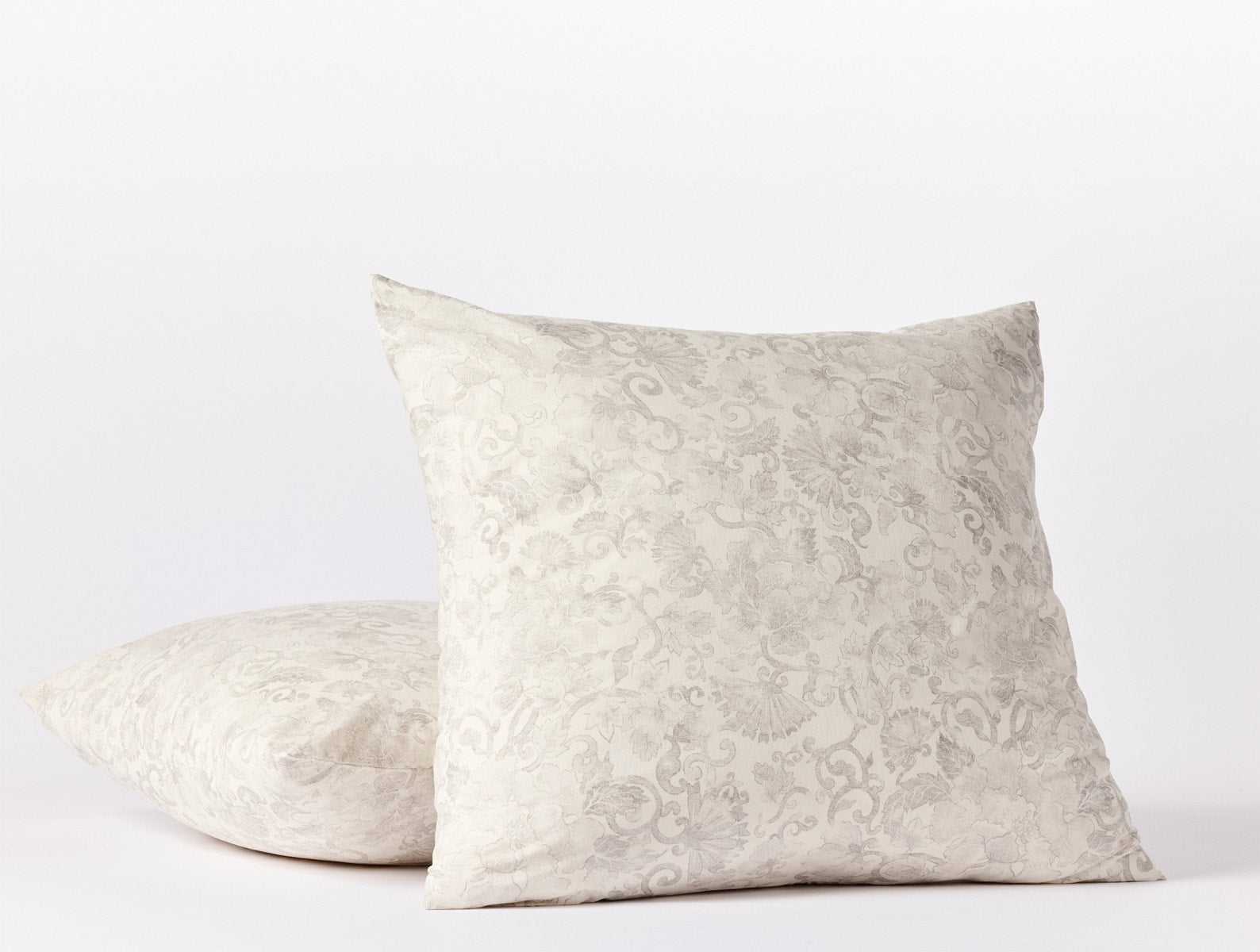
Texture also adds visual interest without asking for a strong pattern. A plain linen coverlet can complement bedding in a range of colors and finishes, from smooth percale to a printed sham. The Coyuchi Solana Organic Print Sham, for example, features a botanical pattern based on hand-painted artwork and digitally printed for an antique effect. Used alongside a quieter linen layer, a printed sham can bring a decorative note while the coverlet’s texture keeps the overall bed feeling grounded.
Finishing details matter in this kind of design. The Helena Organic Linen Coverlet has a novelty blanket-stitched hem, a simple edge treatment that frames the fabric without making the finish feel overly elaborate. The hem is not just a small decorative flourish: it contributes to the overall look and helps define the coverlet’s outline across the bed. When comparing options, look closely at seams, hems, and the way the fabric falls at the corners. Those details influence whether a coverlet reads as tailored, relaxed, or somewhere in between.
A closer look at the Helena Organic Linen Coverlet
The Coyuchi Helena Organic Linen Coverlet is made from 100% organic linen, with linen grown in France and woven in Turkey. Its product details list GOTS certification, and its construction includes a novelty blanket-stitched hem. The coverlet is described as weighty while remaining breathable, with softness that improves over time.
Those details provide a helpful starting point for understanding the piece. “Weighty” speaks to a noticeable, substantial feel; it does not by itself establish a precise warmth rating. “Breathable” points to a quality that may make the fabric comfortable as part of a layered bed, but the coverlet’s suitability still depends on your own climate and preferences. And the promise of softening with use describes a fabric that can develop a more familiar hand as it is used and cared for.
For shoppers interested in sourcing and production, the stated origin details offer additional context: the linen is grown in France and woven in Turkey. Country of origin can help clarify a product’s supply chain, but it is not a substitute for understanding the fabric itself. Look at the material, certification, construction, and care requirements together rather than treating one feature as the whole story.
To explore the specific product information, see the Coyuchi Helena Organic Linen Coverlet. The listed care guidance is cold washing on a gentle cycle with like colors, followed by tumble drying on low and removing promptly; a warm iron may be used if desired. Always check the current care label and product information before laundering.
How to build a layered bed around linen
The best layered beds are not necessarily the ones with the most pieces. A few materials with different textures and functions can create a more flexible setup than a crowded stack. Start with a sheet set that feels comfortable against your skin, then add a blanket or duvet according to the room’s temperature. A coverlet can act as the visible finishing layer, or be folded within reach for extra coverage.
- Begin with a comfortable base. Choose sheets that suit your preferred feel and the season. Smooth cotton and textured linen, for example, create different sensations even when both are breathable.
- Add warmth with intention. Decide whether the coverlet will serve as the main top layer or sit alongside a blanket or duvet. Avoid adding layers automatically if you tend to sleep warm.
- Use contrast thoughtfully. Pair linen’s natural texture with a smoother duvet cover, a knitted blanket, or a patterned sham. A little variation can make the bed feel inviting without turning it visually busy.
- Keep a flexible option nearby. Folding the coverlet at the foot of the bed makes it easy to reach on a cooler evening and simple to move aside when it is not needed.
- Check the bed’s proportions. A coverlet’s size and the height of the mattress affect how it falls at the sides. Compare dimensions where available and consider whether you prefer a close, tidy drop or more fabric to drape.
Layering can also help a room adapt to changing conditions. Rather than relying on one very heavy covering, a few carefully chosen pieces can be rearranged as the weather shifts. In warm months, the coverlet may be all you need over a sheet; in colder months, it can add texture above a lighter blanket or fit under a duvet. The exact combination is personal, and there is no single right arrangement for every sleeper.
What to consider before choosing an organic linen coverlet
Online descriptions can make several fabrics sound equally appealing, so it helps to translate product language into questions that matter in everyday use. Before buying, consider the following details:
- Material composition: Confirm whether the coverlet is made entirely from linen or blends linen with other fibers. The Helena coverlet is listed as 100% organic linen.
- Construction and finish: Weave, stitching, hems, and surface finishing shape how the textile looks and feels. A blanket-stitched hem offers a visible border without relying on a print.
- Weight and drape: Descriptions such as “weighty” can help set expectations, but they are not a standardized measure. Think about whether you enjoy a substantial layer across the bed.
- Certification: Check what certification is stated and which part of the product it applies to. GOTS is listed for the Helena coverlet; consult current certification documentation if you need more detail about its scope.
- Care requirements: A fabric that is easy to maintain in your household is more likely to stay in regular use. Review washing and drying instructions before purchase.
- Color and coordination: Think about the sheets, duvet cover, and shams you already own. Linen’s texture can work as a neutral counterpoint to pattern or as part of a quiet, tonal palette.
Organic certification is one useful piece of information, but it should be read precisely. It does not, by itself, describe a fabric’s softness, warmth, lifespan, or suitability for every person. Those qualities depend on the specific product and how it is used. A careful shopper weighs the certification alongside material composition, manufacturing details, dimensions, care, and comfort preferences.
Linen care: simple habits that protect the fabric
Good care starts with following the product label rather than assuming that all linen should be washed the same way. The Helena coverlet’s listed instructions call for a cold wash on a gentle cycle with like colors. They also recommend tumble drying on low and removing the coverlet promptly; warm ironing is optional. Use those directions as a guide, and confirm them against the care information provided with the item you receive.
Before washing, consider the coverlet’s size and the capacity of your machine. Bedding needs room to move through the wash cycle. If a coverlet is crowded into a drum, it may not rinse or clean as effectively, and the strain can affect the fabric. When in doubt, a larger-capacity machine or a professional laundry service may be more suitable.
Gentle handling can help preserve the surface and finish. Wash with similar colors, use the recommended cycle, and avoid unnecessary high heat. Remove the coverlet promptly after drying to reduce deep creases. If you prefer a relaxed look, you may not need to iron it at all; if a smoother finish suits your room, follow the listed ironing guidance and test care carefully.
Between washes, regular airing and routine bed-making can help keep bedding feeling fresh. Launder the coverlet when it needs cleaning rather than following a rigid schedule that does not reflect how it is used. If there is a spill or spot, check the product’s care guidance before treating it; aggressive stain removal or an incompatible cleaner can be harder on fabric than the stain itself.
With repeated use, linen may change in feel. The Helena product information describes the fabric as becoming softer over time. That gradual softening is part of the appeal for many linen users, but it is not a reason to neglect care. Thoughtful washing and drying are still important to help the coverlet remain in good condition.
Who might enjoy a linen coverlet?
A linen coverlet may be a natural fit for someone who likes textured bedding, wants a substantial layer that does not feel overly dense, or prefers a bed that can be adjusted through the seasons. It can also suit people who appreciate a simple design detail—like a stitched hem—more than a bold pattern. Because the material has a relaxed appearance, it works especially well when you want the bed to look polished without seeming too formal.
It may be less appealing to someone who wants a very smooth, uniformly crisp surface or who prefers a plush, heavily insulated comforter as the sole top layer. Linen’s character is tactile rather than sleek, and a coverlet’s warmth depends on its weight and on the layers around it. If you are sensitive to texture, consider how linen feels against the skin and whether you plan to use it directly over a sheet or as a layer above other bedding.
Care habits are another practical consideration. The stated instructions for the Helena coverlet are straightforward, but washing any large textile takes room and attention. Make sure the care routine is workable for your home. A beautiful bed layer is most valuable when it is easy enough to keep clean and comfortable in everyday life.
A thoughtful finishing layer
Choosing bedding is often a matter of balancing comfort, function, and the feeling you want a room to have. An organic linen coverlet brings texture and drape to that decision. It can provide a noticeable layer without making the bed feel visually heavy, and it can shift roles as the weather changes—from principal covering on a mild night to an extra layer when a duvet is in use.
The Coyuchi Helena Organic Linen Coverlet brings those qualities together in a 100% organic linen fabric, with linen grown in France, woven in Turkey, and finished with a blanket-stitched hem. GOTS certification and product-specific care information add useful context for shoppers comparing options. The details do not replace the question of personal comfort, but they make it easier to understand what the coverlet is designed to offer.
For a bed that feels relaxed rather than overly styled, start with layers you genuinely use. Let breathable sheets provide the base, add warmth as needed, and use the coverlet to bring the arrangement together. Linen’s softening texture and substantial drape can make that final layer feel less like decoration and more like part of the everyday comfort of the room.
Quick takeaways
- A linen coverlet can add substantial drape and texture while retaining linen’s breathable character.
- The Coyuchi Helena Organic Linen Coverlet is listed as 100% organic linen, GOTS certified, and finished with a blanket-stitched hem.
- Its role in a bed depends on climate, personal comfort, and the layers used beneath or above it.
- The stated care directions call for a cold, gentle wash with like colors, low tumble drying, and prompt removal.
- Read material, certification, construction, dimensions, and care information together when comparing bedding.