Comparing Organic Pillow Options: Wool vs Latex vs Down from Trusted Brands
A glossy, editorial-style guide to how organic pillows differ in material, feel, and care. From trusted names like Healthy Choice, Naturally Organic, and Coyuchi, this piece breaks down wool, shredded latex, and down options with practical advice for sleep position, warmth preferences, and long-term care.
A quick panorama of pillow materials
When you dive into the world of organic pillows, you enter a realm where materials aren’t just about comfort—they’re about health, sustainability, and longevity. Three headline materials dominate the scene: wool, shredded organic latex, and down. Each brings its own blend of softness, support, temperature regulation, and care requirements. Brands in this space, including Healthy Choice, Naturally Organic, Coyuchi, Holy Lamb Organics, and others, foreground certifications like GOTS, GOLS, and RDS to reassure shoppers that what they’re buying is genuinely organic and ethically produced.
Wool pillows are celebrated for natural spring, resilience, and moisture-wicking properties. They tend to stay warm in cooler nights while remaining breathable, thanks to the inherent insulating loft of wool fibers. Shredded latex, derived from organic Dunlop latex, offers a customizable loft and a springy, resilient feel that adapts to your head and neck geometry. Organic down pillows, especially those sourced under Responsible Down Standard (RDS), provide plush comfort and a traditional pillow feel with the added assurance of animal-wiber ethics and traceability.
Key brands and what they signal
Trusted brands in this space balance comfort with transparency. Healthy Choice emphasizes wool-filled options in breathable organic cotton shells with a focus on safety and non-toxicity. Naturally Organic centers its line on 100% organic materials, with GOLS-certified latex options and GOTS-certified cotton covers, presenting a fully organic pillow ecosystem. Coyuchi brings a high-touch, craft-forward aesthetic to organic bedding, often featuring robust certifications and a luxury feel.
These cues aren’t just about luxury; they are about health literacy. Consumers want to know: Is the latex truly organic? Is the cotton cover GOTS-certified? Is the wool washable? Is the pillow CRR-free (chemical-free and hypoallergenic) for sensitive sleepers? The answers lie in certifications, construction details, and care recommendations.
Material-by-material: what to expect
Wool Pillows
Natural, breathable, and moisture-wicking. GOTS-certified cotton shell and all-organic wool fill provide a hypoallergenic, durable option with good temperature regulation. Wool loft tends to resist flattening, with regular sunning and occasional airing recommended to refresh.
- Typical care: spot clean; sun-refresh wool
- Common certifications: GOTS (fabric), GOTS wool sources when specified
- Best for: back and side sleepers who want balanced warmth
Shredded Organic Latex Pillows
100% organic Dunlop latex in shredded form allows adjustable loft and contouring support. The latex is typically enclosed in a GOTS-certified organic cotton cover, delivering a resilient yet breathable feel.
- Typical care: spot clean; avoid heat exposure
- Certifications to look for: GOLS (latex), GOTS (cover)
- Best for: various sleep positions needing customizable height
Down Pillows (RDS-safe)
Down pillows sourced under the Responsible Down Standard provide plush, luxurious feel with a lighter, fluffy loft. Look for pillows featuring a durable shell fabric, and be mindful of the wash care instructions to sustain loft and shape.
- Typical care: machine wash cold (case); spot-clean; tumble dry low
- Certifications: RDS, sometimes GOTS for shell fabric
- Best for: side sleepers seeking maximum cradling softness
Practical guidance: choosing by sleep style and warmth
The right pillow is less about a universal best and more about a best fit for your body, your sleep position, and your tolerance for warmth. If you sleep on your back and keep your spine aligned, a medium loft wool or shredded latex pillow often provides a gentle contour without overheating. Side sleepers may crave a higher loft to maintain neck alignment; shredded latex can be tuned to the right height, while a well-filled wool pillow can offer a snug, supportive cradle. Stomach sleepers typically benefit from lower loft options to reduce neck strain.
Temperature regulation matters. Wool naturally wicks moisture while staying breathable, making it a versatile option for those who sleep hot or cool at different times of the year. Latex, while breathable, can feel more springy and may retain heat differently depending on the cover material. Down offers a plush, cloud-like feel, but some individuals may feel warmer, so consider lighter loft or breathable shell fabrics if you’re heat-sensitive.
Brand cues and product spotlight
Among the catalog of options, certain products crystallize the best-in-class approach to organic bedding. One standout in the green space is the Naturally Organic Hudson Shredded Latex Pillow, a model that epitomizes the fully organic ethos with GOLS-certified latex fill and a GOTS-certified cotton cover. This pillow aligns with a broader lifestyle of healthful living and environmental accountability, offering a durable, hypoallergenic solution for many sleepers.
Naturally Organic Hudson Shredded Latex Pillow
GOLS-certified organic shredded Dunlop latex fill with a GOTS-certified organic cotton cover. The pillow is anti-microbial, hypoallergenic, and dust-m mite resistant, offering durable support for varied sleep styles.
Price: $159.00
Care: spot clean; avoid direct sunlight; protect with a cover
Note: The Hudson Pillow exemplifies the fully organic path: materials sourced to standards (GOLS, GOTS) and a simple care routine that sustains loft and hygiene over time.
Other notable options include: Certified Organic Travel Pillow (Wool fill, travel-friendly dimensions) and various neck-rolls in organic wool with sateen covers.
Product spotlight: a representative from the Healthy Choice line
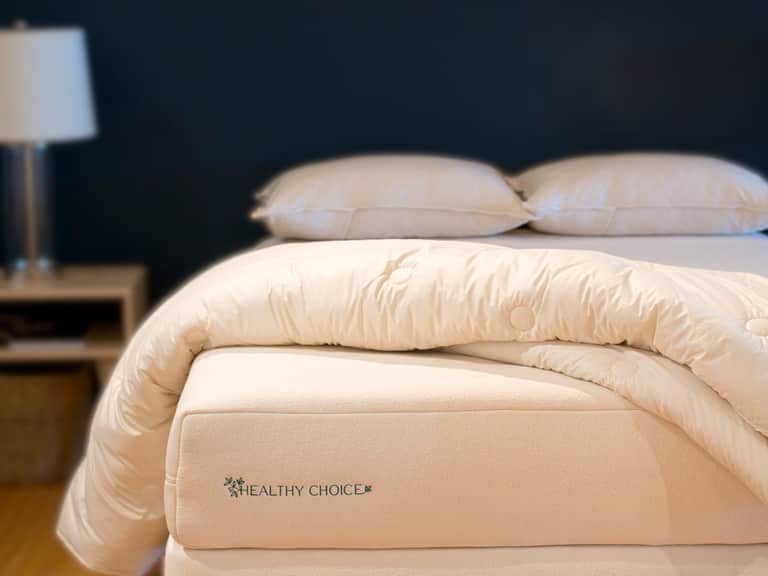
Healthy Choice Lightweight Organic Wool Comforter
This is a comforter designed for warm climates or lighter warmth needs, featuring 150g/sq. meter organic wool inside a GOTS-certified organic cotton shell. It’s a nod to comfort with a conscience, backed by a 3-year warranty.
$369.00
Note: Product details reflect publicly available descriptions that emphasize organic sourcing, certifications, and care guidelines. Images are decorative placeholders for editorial context.
For educators, students, and curious readers
This guide isn’t just a shopping brief; it’s a lens into sustainable living education. The pillow choices reveal a larger narrative about materials science, supply chain ethics, and consumer health. For teachers and students, there are opportunities to explore the science of materials: how wool’s natural crimp contributes to loft, how latex foam density affects support, and why certification bodies exist and how they impact product safety and environmental stewardship.
As you navigate this space, consider how to compare brands, interpret labels, and translate certifications into confident purchasing decisions. A well-chosen organic pillow isn’t merely a bed accessory; it’s a statement about daily health, ethical sourcing, and a commitment to reducing our environmental footprint—one night’s rest at a time.
Foundational takeaways
- Certification is your best compass: look for GOTS on fabric and cotton, GOLS on latex, and RDS on down to verify organic and ethical claims.
- Loft and sleep position matter: higher loft suits side sleepers; medium loft often matches back sleepers; lower loft can suit stomach sleepers.
- Care longevity: regular airings and gentle cleaning extend pillow life; follow manufacturer washing guidelines to protect loft and structure.
- The right pillow is a personal choice: consider allergies, sensitivity to temperature, and how your neck and spine align during rest.
Would you like to see more product examples or a side-by-side comparison chart?