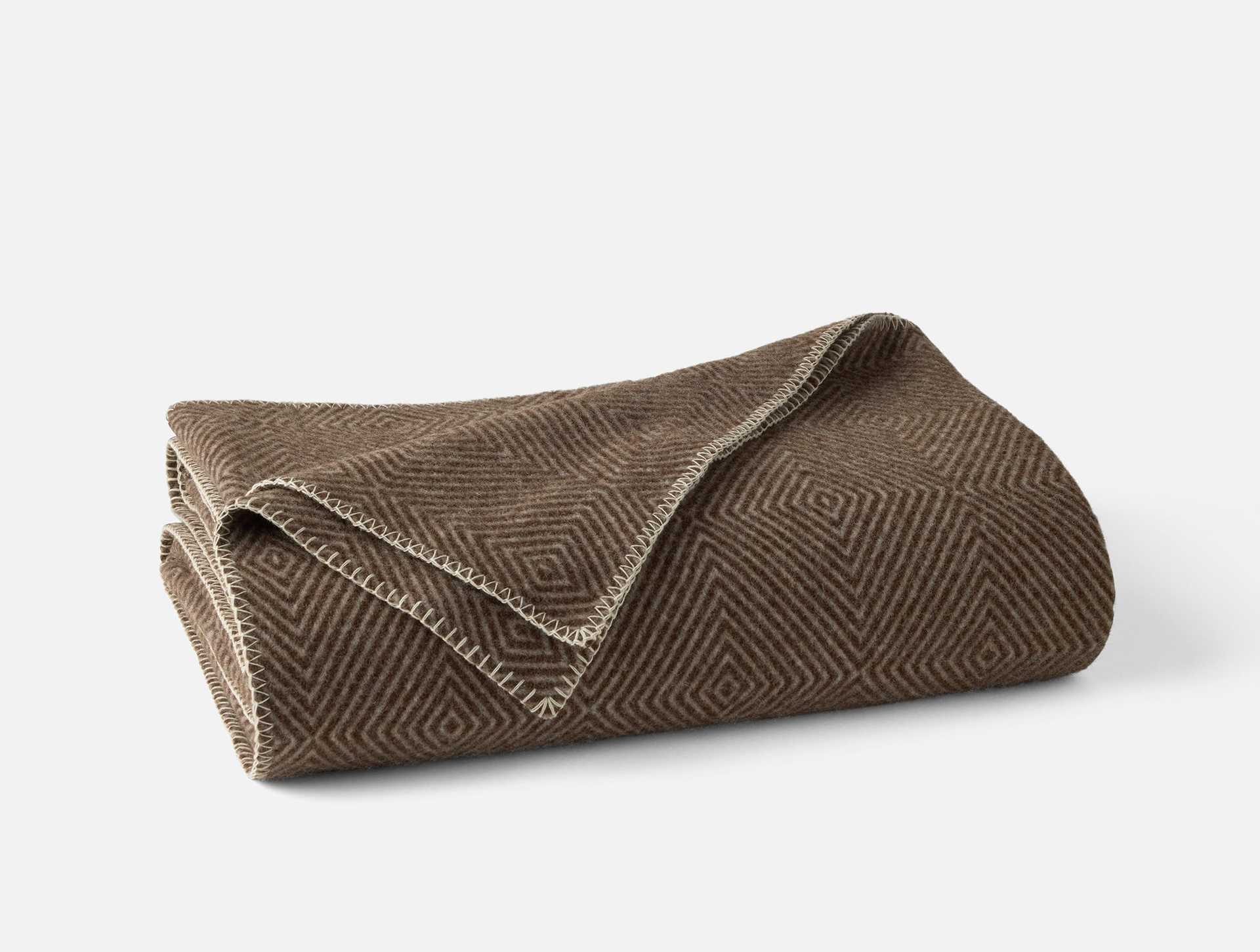
Blankets are a versatile part of bedding, providing warmth, comfort, and an adaptable layer for different seasons and sleeping preferences. Material, weight, weave, and breathability influence how a blanket feels and performs. Understanding these characteristics can help distinguish everyday covers from heavier options designed to retain warmth in cooler conditions.
Organic blankets are made with materials selected for their natural origins and feel. Wool is valued for warmth and temperature regulation, while the construction and fiber quality affect softness, durability, and drape. These qualities can make a blanket useful on a bed, over a sofa, or as an additional layer alongside pillows.
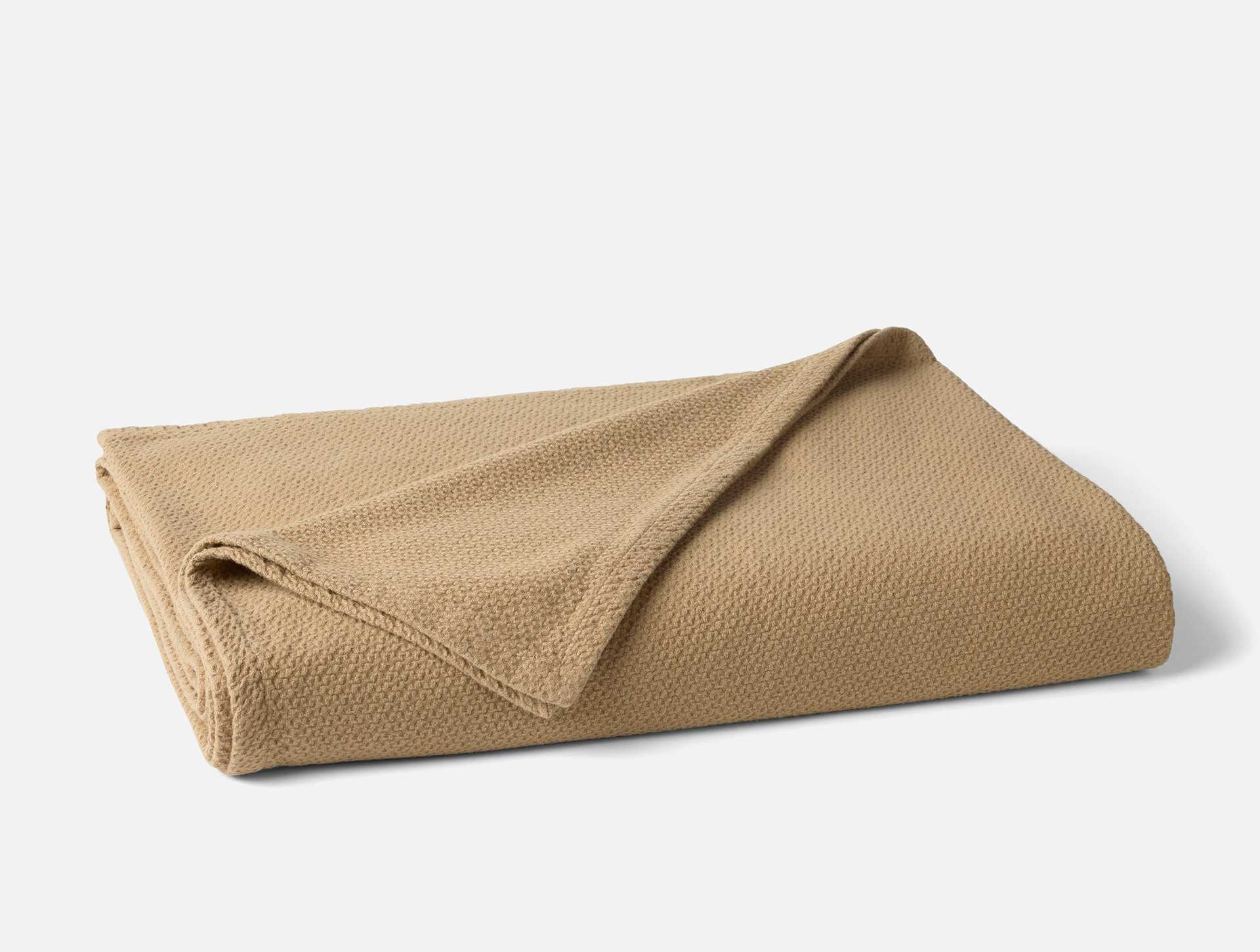
The Classic Organic Blanket offers a straightforward, adaptable layer for regular use. Its organic construction and classic style make it suitable for pairing with varied bedding, including organic mattresses. As a cover or supplemental layer, it can add comfort without requiring a change to the mattress or the rest of a sleep setup.
The Highland Organic Wool Blanket features wool, a naturally insulating fiber that can help retain warmth while allowing air to circulate. Its functional benefits include comfortable coverage in cooler conditions and versatility as a bedding layer. The wool construction also gives the blanket a distinct texture and a substantial, cozy feel.
Blankets complement, rather than replace, other elements of a sleep environment. They can be layered with pillows and natural latex organic mattresses to adjust warmth and comfort without changing the underlying support surface. Considering fiber, thickness, and intended use helps explain how each blanket fits into everyday bedding and seasonal routines.
 Bedding