Sustainable Living for Busy Families: Practical Steps to a Greener Home
A friendly guide for eco-conscious families to weave sustainable habits into daily life without sacrificing convenience. From smart shopping to waste reduction and energy-conscious routines, this article translates big green goals into practical, bite-sized actions that fit into a bustling family schedule.
Why Sustainable Living Matters for Modern Families
Green living isn’t just about grand gestures or grand plans; it’s about small, consistent choices that accumulate over time. For busy households, sustainability means saving money, improving health, and teaching children stewardship for the planet. It’s about creating a home environment where less waste, cleaner energy, and mindful consumption are the default, not the exception. The Greenland Organic approach aligns with this ethos, offering practical guidance, credible product recommendations, and a community-minded spirit that resonates with families balancing work, school, and life’s many demands.
In a world brimming with quick fixes, sustainable living asks for a deliberate, informed approach. It invites families to ask: Which products are truly healthier and more durable? How can we reduce energy use during peak hours? What are simple steps we can take this week to cut down plastic waste and still keep a busy household running smoothly? The answers aren’t always dramatic; they’re often incremental, scalable, and incredibly effective when practiced consistently.
Key Principles for Eco-Friendly Family Living
-
1) Smart Shopping: Prioritize durable, non-toxic products with transparent certifications. Look for natural materials, modular designs, and repairability. For bedding and comfort items, organic materials translate to better sleep quality and fewer chemical exposures for everyone, including kids and pets.
-
2) Waste Reduction: Embrace a plan for reducing, reusing, and recycling. Start with a home bin system, composting for kitchen scraps, and choosing packaging-free or recyclable alternatives wherever possible.
-
3) Energy Efficiency: Small changes add up: LED lighting, smart thermostats, weather-stripping, and energy-efficient appliances. Schedule high-energy tasks during off-peak hours when possible to maximize savings and reduce grid strain.
-
4) Health and Environment: Choose products with clean inputs—organic fabrics, natural fibers, low-toxicity cleaners, and certifications such as GOTS, GOLS, and RDS. These choices reduce exposure to chemicals while supporting ethical sourcing.
-
5) Education and Community: Involve children in simple projects, share eco-friendly routines, and participate in local sustainability initiatives. A family that learns together sustains its momentum.
Practical Steps for a Greener Home This Week
Below are actionable tasks designed for a typical family calendar. Each step is chosen for feasibility, impact, and alignment with organic and natural principles that echo Greenland Organic’s ethos. You can pick a couple to start and expand as you gain confidence.
- Audit energy use in your home: Track which devices use the most energy. Replace one or two high-usage bulbs with LEDs and adjust thermostats to maintain comfort with less energy. A week-long audit can reveal surprising opportunities for savings.
- Rethink the shopping cart: Before purchasing, ask, “Do we need this, or is there a longer-lasting alternative?” Favor products with durable construction, natural materials, and clear sustainability credentials. For bed and bath, consider organic options like wool or latex-based bedding that resist allergens and support long-term health.
- Low-waste kitchen habits: Add a compost bin, swap single-use plastics for reusable containers, and buy staples in bulk. This reduces landfill waste and often lowers grocery costs over time.
- Eco-friendly home routines: Integrate a simple weekly cleaning routine using non-toxic cleaners or DIY alternatives. Establish a “green day” each month to address minor home repairs, reducing the need for fast replacements.
- Family learning corner: Create a small learning nook with kid-friendly reading about climate change, sustainability projects, and local environmental conservation initiatives. Encourage kids to document changes they notice in the household’s footprint.
These steps build momentum toward a greener home without overwhelming a busy schedule. The key is consistency and celebrating progress, not perfection.
Guided Product Picks: Comfort, Health, and Sustainability
The following product picks illustrate how sustainable living can intersect with daily comfort and health. They emphasize organic materials, ethical production, and durability—qualities that align with our sustainable living philosophy and with the Greenland Organic ethos of eco-conscious consumer education.
Naturally Organic Hudson Latex Mattress
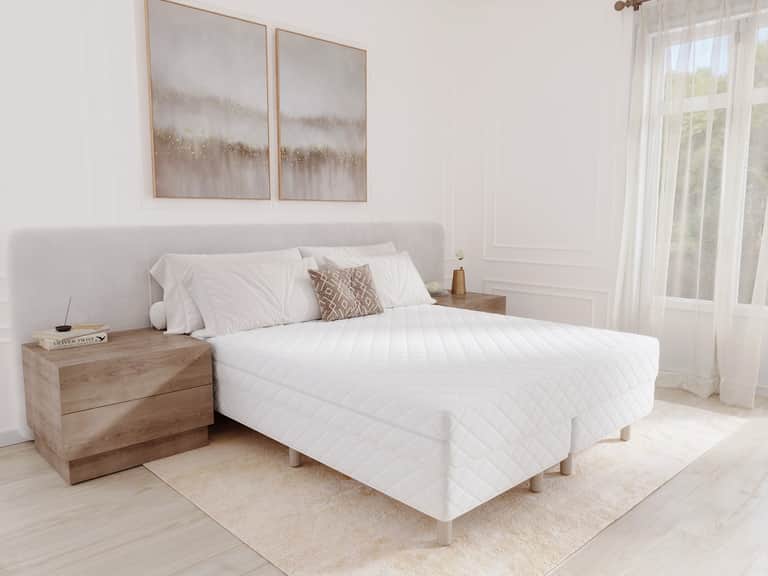
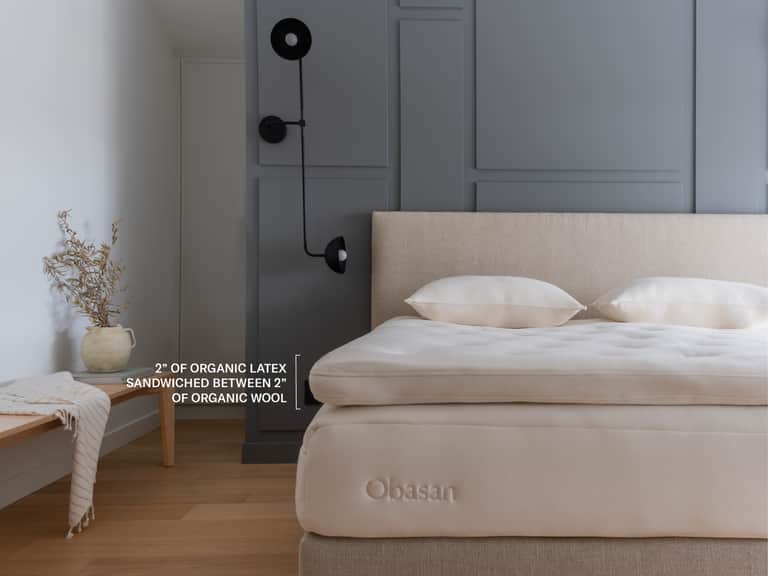
A flagship choice for sleep wellness, the Naturally Organic Hudson is built with Dunlop organic latex, wrapped in GOTS-certified organic cotton and quilted with organic wool. This eight-inch mattress is designed to be supportive, breathable, and non-toxic, ideal for families who value health-forward sleep environments.
- GOLS-certified latex core
- GOTS-certified organic cotton cover
- Natural wool for flame resistance and temperature regulation
Warranty: 20 years
Price: $1999.00
Downright Organa White Goose Down Comforter
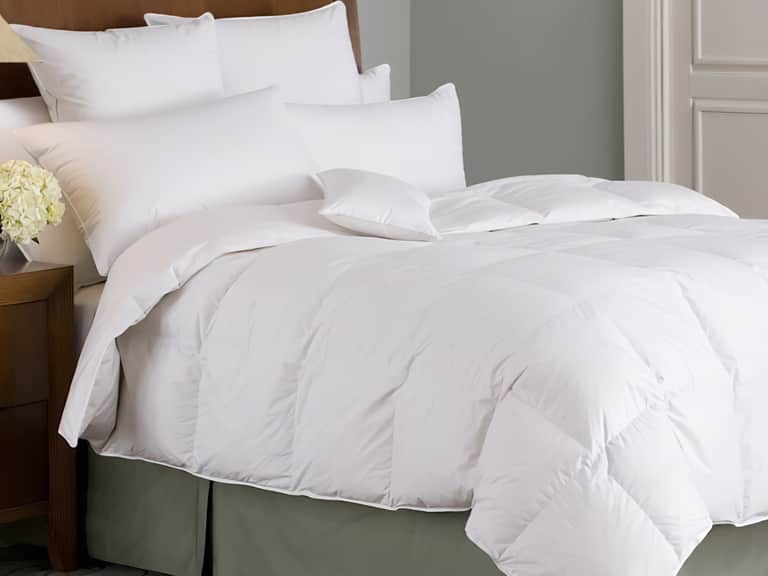
This comforter blends Hungarian white goose down with an outer shell of organic cotton and TENCEL lyocell, delivering warmth with a soft, breathable feel. It's wrapped in a duvet cover-ready design that emphasizes comfort without compromising sustainability.
- 650+ fill power Hungarian goose down
- GOTS-certified organic cotton shell
- TENCEL lyocell blend for softness and eco-friendly fibers
Care: Dry clean recommended or spot clean; cover recommended
Price: $578.00
Note: These selections are examples of sustainable comfort products. Availability and prices may vary by retailer. Always verify certifications (GOTS, GOLS, RDS) and material sources when shopping.
Three Key Individuals from Different Time Periods: Influencers of Sustainable Living and Thoughtful Consumption
These figures illustrate how sustainability and humane living have evolved across eras. Each contributed ideas that shape today’s approach to eco-conscious households and responsible production.
Margaret “Maggie” Reed (1920s–1980s)
A pioneer of community-based recycling programs and neighborhood organize-ments, Reed championed practical waste reduction long before it became mainstream. Her work emphasized local solutions—repair cafés, neighborhood composting, and community gardens—that empowered families to take charge of their own waste and food systems.
Impact: Community resilience through local sustainability initiatives
Rachel Carter (1950s–1990s)
A public health advocate who connected environmental quality with family well-being. Carter’s campaigns highlighted air and water quality improvements, safer consumer products, and early labeling movements that warned communities about potentially harmful household chemicals.
Impact: Awareness of household chemical exposure and product safety
Dr. Kai Nakamura (1990s–present)
An environmental economist who translates sustainability into real-world policy and consumer decisions. Nakamura’s work underscores the value of green products and transparent supply chains, encouraging families to purchase with long-term health, climate, and social outcomes in mind.
Impact: Informed consumer choices and stronger sustainability markets
A Quick Look at a Featured Product You Can Trust
Among our recommended lines, the Naturally Organic Hudson Latex Mattress stands out as a tangible embodiment of sustainable comfort. Its layered construction—GOLS-certified organic latex, GOTS-certified organic cotton, and organic wool—offers a balanced mix of support, temperature regulation, and non-toxic materials. For families seeking a sleep system that aligns with green living values, this mattress provides a credible option that supports long-term health and well-being.
Product Spotlight: Hudson Latex Mattress
Eight inches of durable, organic comfort wrapped in a wool-flattened, breathable shell. An ideal foundation for a healthy sleep routine for busy families who value sustainable materials and responsible manufacturing.
- GOLS-certified latex core
- GOTS-certified organic cotton cover
- Natural wool flame retardant and temperature regulation
Price: $1999.00
Why It Fits Family Life
Durability matters when kids are involved. A mattress built with organic materials reduces chemical exposure and supports healthy sleep habits. Its temperature-regulating properties help families sleep more comfortably through seasonal shifts, while its non-toxic construction aligns with broader sustainable living goals.
Note: Availability may vary by retailer. Verify certifications and sourcing before purchase.
Closing Thoughts: Building a Greener Home with Confidence
Adopting a sustainable lifestyle isn’t about deprivation; it’s about smarter choices that improve health, reduce costs, and foster a resilient family culture. By focusing on practical steps, credible product lines, and a community-minded approach, families can weave eco-conscious living into daily routines that feel natural rather than forced. Greenland Organic’s direction—centered on sustainable living resources—provides a clear, hopeful blueprint for households seeking balance between convenience and responsibility.
As you begin this journey, remember that every small change matters. Compost a few scraps, choose a product with a transparent sustainability story, and share your family’s progress with neighbors and friends. The more communities embrace these practices, the greater the collective impact on the planet—and on the well-being of our children and loved ones.
This article reflects a synthesis of sustainable living concepts and real-world product insights, rooted in a family-friendly, editorial voice that aims to inform, inspire, and empower action.